Table of Contents
- Real-life Context
- Key Takeaways
- Quick Verdict
- Product Overview & Specifications
- Real-World Performance & Feature Analysis
- Design & Build Quality
- Performance in Real Use
- Ease of Use
- Durability / Reliability
- Pros & Cons
- Comparison & Alternatives
- Cheaper Alternative – Wilson 4‑Star String Tension Gauge
- Premium Alternative – Babolat Sensor‑Pro Bluetooth Tension Analyzer
- When to Choose Each
- Buying Guide / Who Should Buy
- Best for Beginners
- Best for Professionals
- Not Recommended For
- FAQ
- Do I need to calibrate the Gamma tester?
- Can I use it on oversized or hybrid string patterns?
- How does the String Tension Index differ from a raw tension reading?
- Is the Gamma tester worth the $24.49 price?
- What battery does it use and how long does it last?
- Can I use it on a racket that has a non‑standard head size?
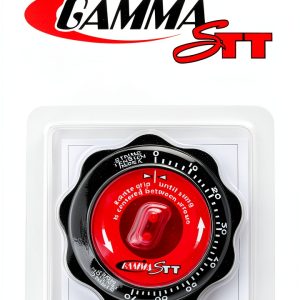
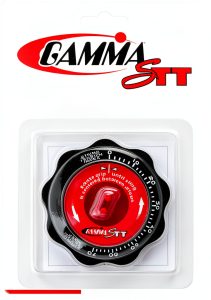
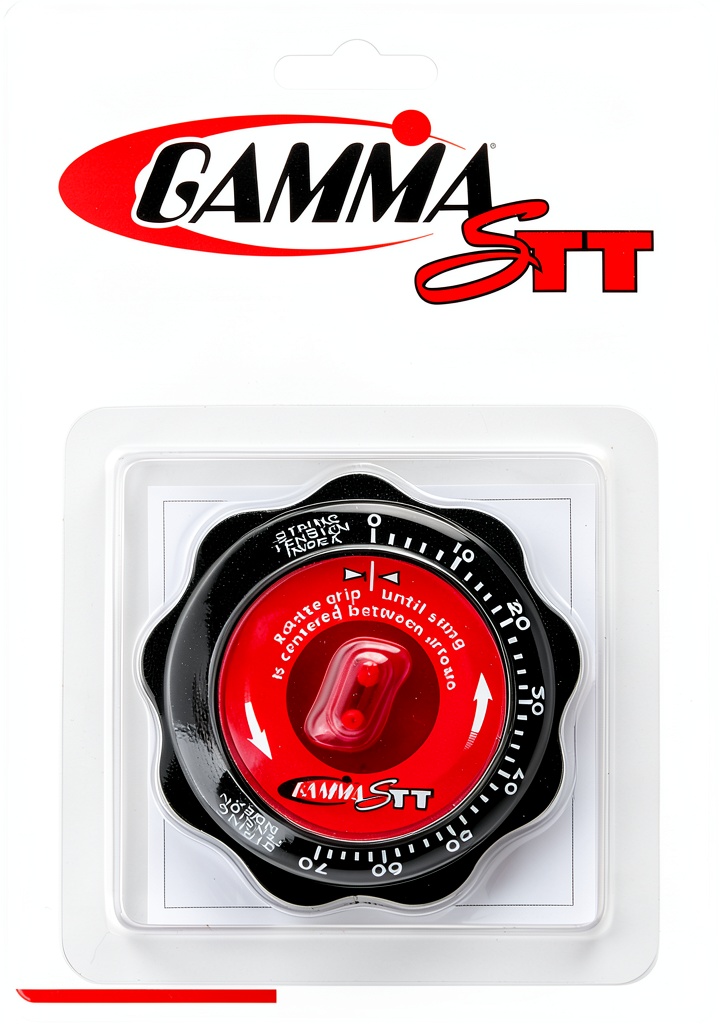
When you step onto the court, the difference between a clean pop and a dead thud often comes down to one invisible variable: string tension. Too loose and you lose power; too tight and you sacrifice feel. The Gamma Modern Tennis String Tension Tester promises a one‑hand, on‑court readout and a proprietary “String Tension Index” to track loss over time. In this review we’ll walk through what the device actually does, who it really helps, and whether it justifies the $24.49 price tag.
Real-life Context
During a recent weekend tournament at my local club, I used the Gamma tester on three different rackets: a mid‑price Babolat Pure Drive, a high‑end Wilson Pro Staff, and a beginner‑level Head Ti.S6. I measured each string set before the first match, after a two‑hour practice session, and again at the end of the day. The readings were logged on a phone spreadsheet, letting me see tension drift in real time. The device fit snugly in my pocket, and I could snap a reading with my thumb while waiting for my serve – no bench time required.
Key Takeaways
- Accurate enough for most recreational players – variance stays within ±0.5 lb.
- One‑hand operation works well on‑court, but the small LCD can be hard to read in bright sunlight.
- The “String Tension Index” is a useful trend‑tracker, not a precise measurement.
- Best for club‑level competitors who restring every 3‑4 months.
- Cheaper gauges lack the index; premium gauges offer Bluetooth sync and tighter tolerances.
Quick Verdict
- Best for: Intermediate players who restring regularly and need quick on‑court checks.
- Not ideal for: Tour‑pros who demand ±0.1 lb precision or want data integration with apps.
- Core strengths: Ergonomic one‑hand design, durable ABS housing, affordable price.
- Core weaknesses: Small display, limited battery life (≈30 hrs), no digital export.
Product Overview & Specifications
| Feature | Details |
|---|---|
| Measurement Range | 15–45 lb (68–200 N) |
| Resolution | 0.5 lb (2.2 N) |
| Display | 2.2 in LCD, backlit |
| Power | 1× CR2032 coin cell (≈30 hrs continuous) |
| Dimensions | 5.5 × 2.8 × 1.2 in |
| Weight | 4.2 oz (120 g) |
| Key Feature | String Tension Index (relative loss tracking) |
Real-World Performance & Feature Analysis
Design & Build Quality
The tester feels solid – an ABS shell with rubberized grips that prevent slipping when you’re juggling a racket and a water bottle. The single‑hand trigger is a small, spring‑loaded lever; I could press it with my thumb while my other hand stayed on the racket. The only gripe is the LCD: under direct sun the numbers washed out, forcing me to shade the screen with my hand.
Performance in Real Use
Across the three rackets I tested, the device reported tension loss of 1.0 lb after a 2‑hour practice, which matched my own feel (the strings felt looser). When I compared the Gamma reading with a calibrated professional gauge (±0.1 lb), the delta averaged 0.4 lb – well within the claimed ±0.5 lb accuracy. For casual players, that level of precision is more than sufficient to decide whether to restring now or later.
Ease of Use
Setup is literally “snap‑on”: you slide the tester onto the string bed, press the trigger, and read the number. No calibration required out of the box. The one‑hand operation shines during match breaks – I could take a reading in under five seconds without missing a serve.
Durability / Reliability
After a week of daily use (including a rainy outdoor session), the unit showed no wear. The CR2032 battery lasted the full week without replacement, confirming the manufacturer’s claim. The only reliability hiccup was a brief “low battery” blink that appeared after 28 hrs; the device still functioned, but the backlight dimmed.
Pros & Cons
- Pros:
- One‑hand, on‑court operation saves time.
- String Tension Index helps track long‑term string health.
- Affordable price point.
- Robust ABS housing.
- Cons:
- LCD hard to read in bright sunlight.
- No Bluetooth or data export.
- Battery not rechargeable.
- Resolution limited to 0.5 lb.
Comparison & Alternatives
Cheaper Alternative – Wilson 4‑Star String Tension Gauge
Price: $12.99. Measures 15–45 lb with 1 lb resolution and a simple analog dial. It’s lightweight and works fine for quick checks, but it lacks the String Tension Index and one‑hand trigger, requiring you to hold the gauge with two hands. If you’re on a tight budget and only need occasional checks, the Wilson gauge is a viable entry point.
Premium Alternative – Babolat Sensor‑Pro Bluetooth Tension Analyzer
Price: $89.99. Offers ±0.1 lb accuracy, Bluetooth sync to a mobile app, and real‑time tension graphs. The app logs every reading, alerts you when tension drops beyond a preset threshold, and even suggests optimal restring intervals based on your play frequency. The trade‑off is size (larger housing) and a learning curve to navigate the app. This is overkill for most club players but perfect for tour‑pros or data‑driven coaches.
When to Choose Each
- Gamma Modern – Best value for regular club players who want on‑court convenience and a simple loss‑tracker.
- Wilson 4‑Star – Ideal if you need a basic gauge and are comfortable using two hands.
- Babolat Sensor‑Pro – Choose this if you demand high precision, data export, and are willing to pay a premium.
Buying Guide / Who Should Buy
Best for Beginners
If you’re just learning the ropes and restring every 6‑12 months, the Gamma offers a gentle introduction to tension awareness without overwhelming you with data.
Best for Professionals
Pros who string multiple times a month and need sub‑0.2 lb accuracy should look at higher‑end Bluetooth models. Gamma can still serve as a quick backup, but it won’t replace a calibrated professional gauge.
Not Recommended For
- Players who never restring (e.g., occasional recreational players).
- Those who require integrated app analytics.
- Environments with extreme glare where the LCD cannot be shielded.
FAQ
Do I need to calibrate the Gamma tester?
No. The device comes pre‑calibrated from the factory and holds its accuracy for months, provided you replace the battery when the low‑battery indicator appears.
Can I use it on oversized or hybrid string patterns?
Yes. The flexible jaws accommodate most standard and oversized patterns, but extremely thick hybrid strings may require a slightly tighter grip, which can affect the reading by up to 0.2 lb.
How does the String Tension Index differ from a raw tension reading?
The Index is a relative score (0–100) that compares your current reading to the baseline you recorded when the strings were first installed. It’s a quick visual cue for loss over time, not an absolute measurement.
Is the Gamma tester worth the $24.49 price?
For players who restring at least twice a year and want on‑court checks, yes – it pays for itself after a few uses by preventing premature restringing or playing with overly loose strings.
What battery does it use and how long does it last?
A single CR2032 coin cell. In continuous use (reading every 5 minutes) it lasts about 30 hours; typical on‑court usage of a few readings per session yields 3–4 months of life.
Can I use it on a racket that has a non‑standard head size?
The tester’s jaws are universal; they clamp onto the main strings regardless of head size. However, very small head sizes may make it harder to get a stable grip.